
Why Should I Do First Aid?
Today’s blog comes from Paul Bew of City Training and City Sailing, as he explains why first aid training is so important and what to do in an emergency. Thank you to Paul for taking the time to write the blog and share his expertise.
—————————————————————————–
Last night on the way back from an exhibition at Alexandria Palace we drove past the emergency services administering Chest Compressions to a poor chap on the pavement. He was lucky he had the emergency services with him, I wondered how many people would be trained and willing to help if they were not there. I also thoughts of other First Aid Incidents:
A lady collapsing on the jubilee line in a packed carriage and I was the only person who helped.
A motorcyclist hit the back of a bus head on and I was the only first aider.
One of our customers, after one of our courses, attended to a cyclist and administered first saving his life.

As a family man it would be a reckless abandonment of my unreserved duty of care to my children not know what to do if my little ones stopped breathing, had a bad fall, road accident or choked on an object.
A first aid course only takes a day (or two evenings), we all use the roads where 1700 people die and 23000 people have a life changing injury each year so the chances of needing first aid are pretty high.
The problem with first aid is that we say:
It won’t happen to us. Someone else will do it. I would be no good in an emergency. I do not like blood.
Well, during our courses we teach you not only what to do, but we bury in the depth of your mind the mantra below so when you have a first aid situation you go into auto pilot.
D.R.S.A.B.C
Danger (Take a deep breath and check there is no danger to you)
Response (shout at them and gently shake them, you do not want to give the kiss of life to someone sleeping!)
SHOUT HELP
Airway (Tilt the head back carefully)
Breathing (Check they are breathing properly – gasps are not normal breathing)
GET HELP 999 or 112 or any other method.
CPR (If there is no breathing give 30 chest compressions and 2 rescue breaths.)
If you do nothing
At 3 to 4 minutes brain damage occurs.
If you do chest compressions only
At about 5-10 minutes brain damage occurs (depending on the oxygen in their blood stream when you start) but this could be the time it takes for emergency services to get to the situation.
If you do chest compressions and rescue breaths
You will keep the person alive indefinitely. Fabrice Muamba was kept alive for 78 minutes.

What is a AED and why are they now everywhere?
An AED is an Automatic External Defibrillator. If someone has a heart attack their survival rate is 6%, with an AED it is 38%, it DOES make a difference.
Are they difficult to use?
NO, press the on button listen to the voice prompts and follow the commands it is very easy.
So with such little training YOU could save the life of a loved one or save the life of another person’s loved one, stop making excuses and book some training today.
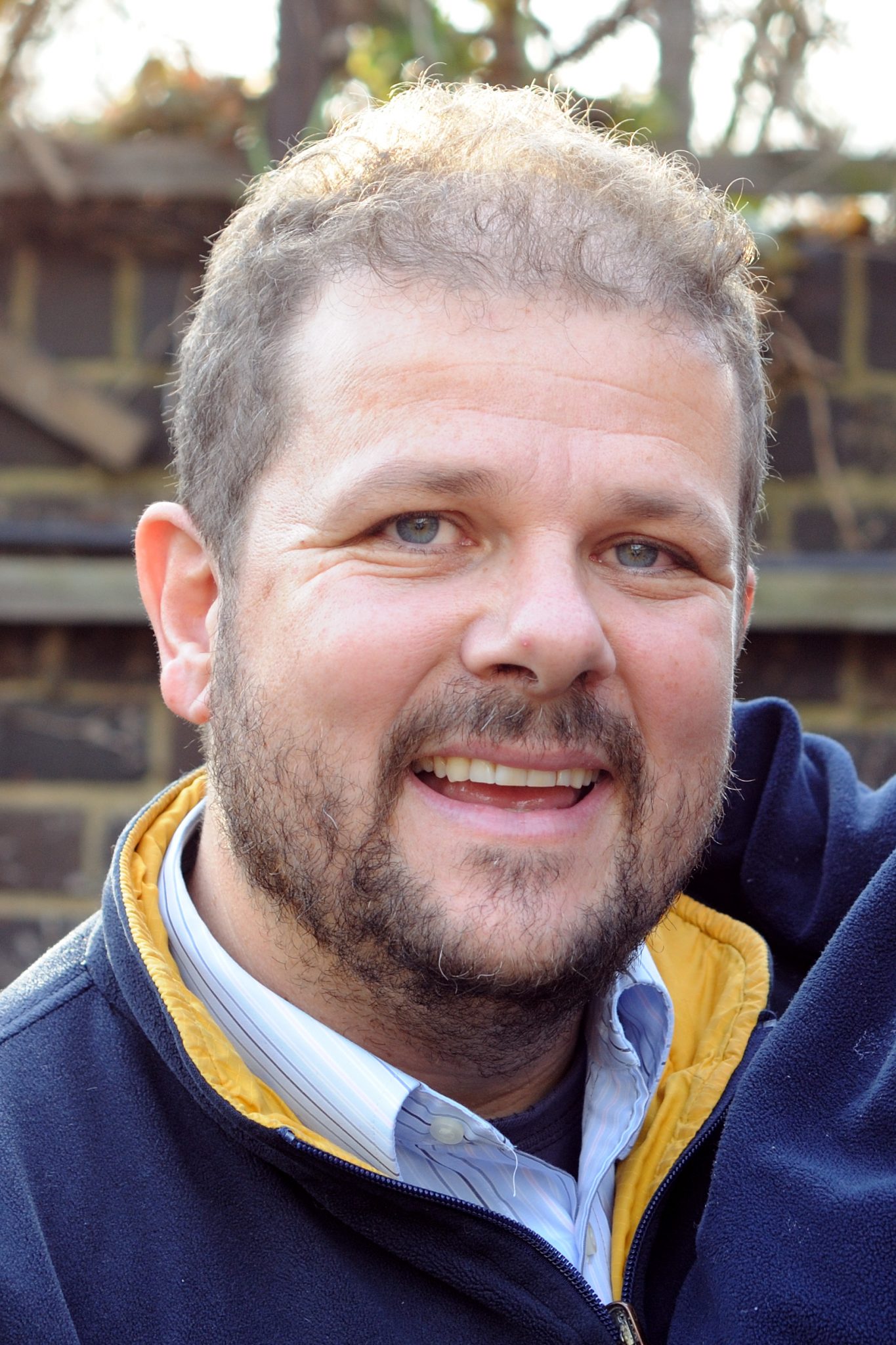
Paul Bew
Paul owns and runs City Training and City Sailing and offers many courses in London to groups, individuals and families. He specialises in Sailing First Aid and Sailing courses.
cushion the impact provides award winning personal and virtual assistance and customised lifestyle management for hard working and hard living individuals and small business owners. We know there aren’t enough hours in the day, so let us help you live an organised, efficient, & fulfilling life. Take a deep breath & call us today. Your personal service awaits!!


